ECE 22.06 explained: what changed and why your old lid may not cut it
The rotational-impact tests, visor rules and what to check on the label before you buy.
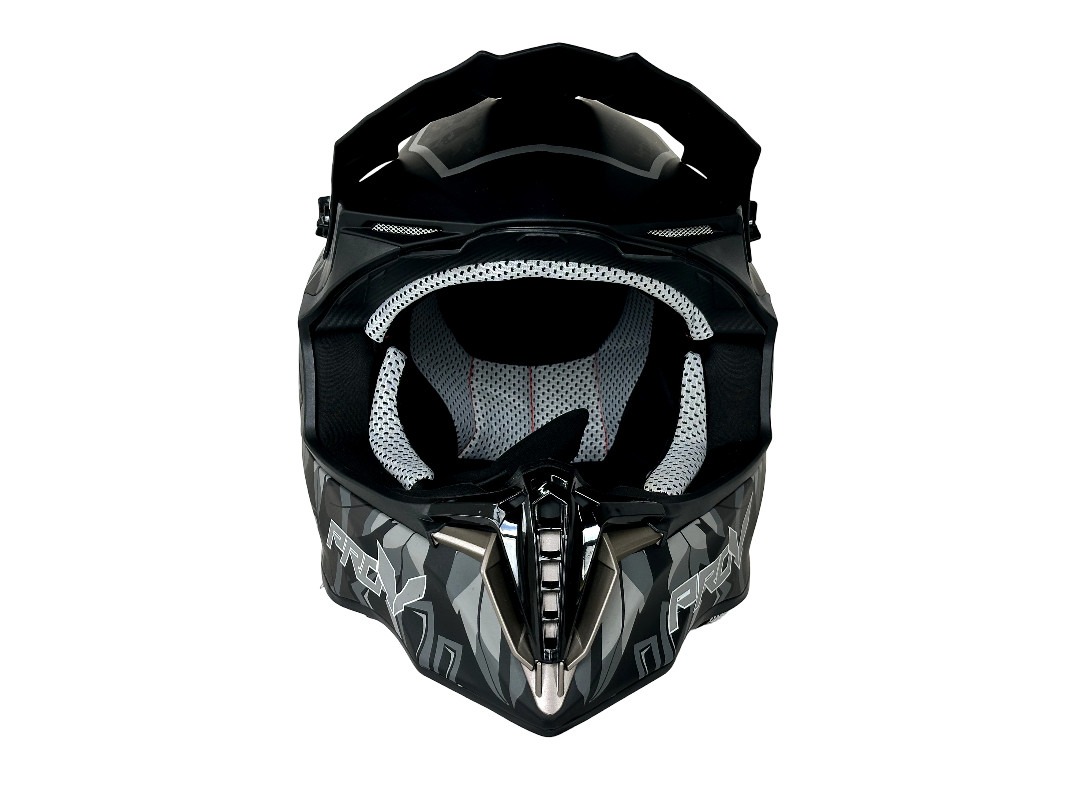
If you are shopping for a motorcycle helmet in the UK right now, you will keep seeing ECE 22.06 on labels, product pages and forums. It is not marketing fluff. It is the current European approval standard that replaced ECE 22.05, and it changes what “road legal” means for many lids.
This guide explains what changed, what to look for on the label, and whether your older 22.05 helmet is still usable.
What is ECE 22.06?
ECE 22.06 is the United Nations Economic Commission for Europe regulation that sets minimum safety requirements for motorcycle helmets sold for road use across much of Europe, including the UK.
Helmets that pass carry an approval mark (often stamped in the chinstrap or lining) showing the regulation number, approval country and production batch details. For new helmets aimed at the UK market, 22.06 is the mark you want to see.
What changed from ECE 22.05?
22.06 is a stricter test programme. The headline changes that matter to riders are:
- More impact points and speeds — shells are tested across a wider set of locations and energy levels, not just the classic crown and side hits from 22.05.
- Oblique / rotational impact testing — helmets are assessed for how they manage glancing blows that twist the head, not only straight-on impacts. This is the big technical step change.
- Tougher visor requirements — including abrasion and optical performance expectations so the shield stays clearer and more protective in real use.
- Accessory scrutiny — communication kits, peak mounts and similar add-ons are considered more carefully so they do not undermine the helmet’s approval.
In plain English: a 22.06 lid has been put through a harder exam, especially for the kind of scrape-and-tumble impacts riders actually have.
Rotational impact — why riders should care
Many serious head injuries involve rotation of the brain inside the skull. Older standards focused heavily on linear impact (how hard the shell stops a straight hit). 22.06 adds oblique testing so manufacturers have to design for glancing blows as well.
That does not mean every 22.05 helmet is unsafe tomorrow morning. It does mean newer designs are validated against a more realistic crash profile.
What to check on the label before you buy
- Approval mark — look for
Ein a circle and a string that includes 22.06 (not only 22.05). - Size & fit — standards do not replace a proper fit. A loose 22.06 lid is still a bad lid for you.
- Visor standard — check the shield is marked correctly and seals cleanly; replace scratched visors rather than riding half-blind.
- Chinstrap & buckle — double D-rings or a quality micrometric buckle, properly adjusted every ride.
- Production date — EPS liners age. Many workshops treat five years of hard use (or longer in storage) as a cue to consider replacement.
Can you still ride in a 22.05 helmet?
Existing 22.05 helmets already in use are generally still fine for continued personal use, subject to UK road rules and the helmet’s condition. What has changed is the supply pipeline: new models and fresh stock are moving to 22.06.
Replace a helmet after a significant impact, if the shell or liner is cracked, if the strap hardware is damaged, or if the fit has loosened with age. Do not wait for the regulation stamp alone to decide that.
Buying tips from the workshop
- Try before you buy where possible — cheek pads should feel firm at first and settle slightly with use.
- Match helmet type to riding: full-face for most road miles, modular if you need the flip, adventure lids if you want a peak (and accept the extra wind noise).
- Budget for a Pinlock or equivalent anti-fog insert if you ride in UK weather.
- If you run a Bluetooth kit, choose a 22.06 helmet designed or approved with that fitment in mind.
Bottom line: ECE 22.06 is the current benchmark. When you buy a new helmet, insist on the 22.06 mark, get the fit right, and treat the lid as safety kit — not a fashion accessory.
Need kit for the job? Browse workshop gear, clothing and protection with free UK mainland delivery.
Shop workshop